
Our field agents
Intelligence from the field.
GHMAP’s work is powered by field agents — practicing physicians, hospital owners and clinic leaders across Africa, Turkey and Europe. When we answer a market question, we ask the people who buy, stock and use medical products every day.
The bench
The people behind the answers.
Working clinicians who answer our questions as professionals — not a panel of paid respondents.
The bench is invitation-only, and a name appears here solely with that agent’s explicit consent. Until then, every report is personally signed by the founder below.
The bench grows by invitation. A name appears here only where the agent has explicitly agreed to be named — their professional standing is not for sale as marketing.
Expertise where it counts
- 12
- Countries with field agents on the ground
- 4
- Field capabilities behind every project
- 1
- Principal who signs every report
- 10+
- Years in international healthcare
What they do
Four ways the field works for you.
Buyer validation
Real demand signals from working hospitals and clinics — who buys, who stocks, who actually uses the product.
Distributor qualification
On-the-ground checks of a potential partner's reputation, reach and reliability before you commit.
Product testing
Clinical environments where products can be evaluated in practice, not just on paper.
Local intelligence
Regulatory, procurement and pricing realities that never appear in databases.
Coverage
Where the field answers.
In every market, working clinicians answer our questions.
The principal
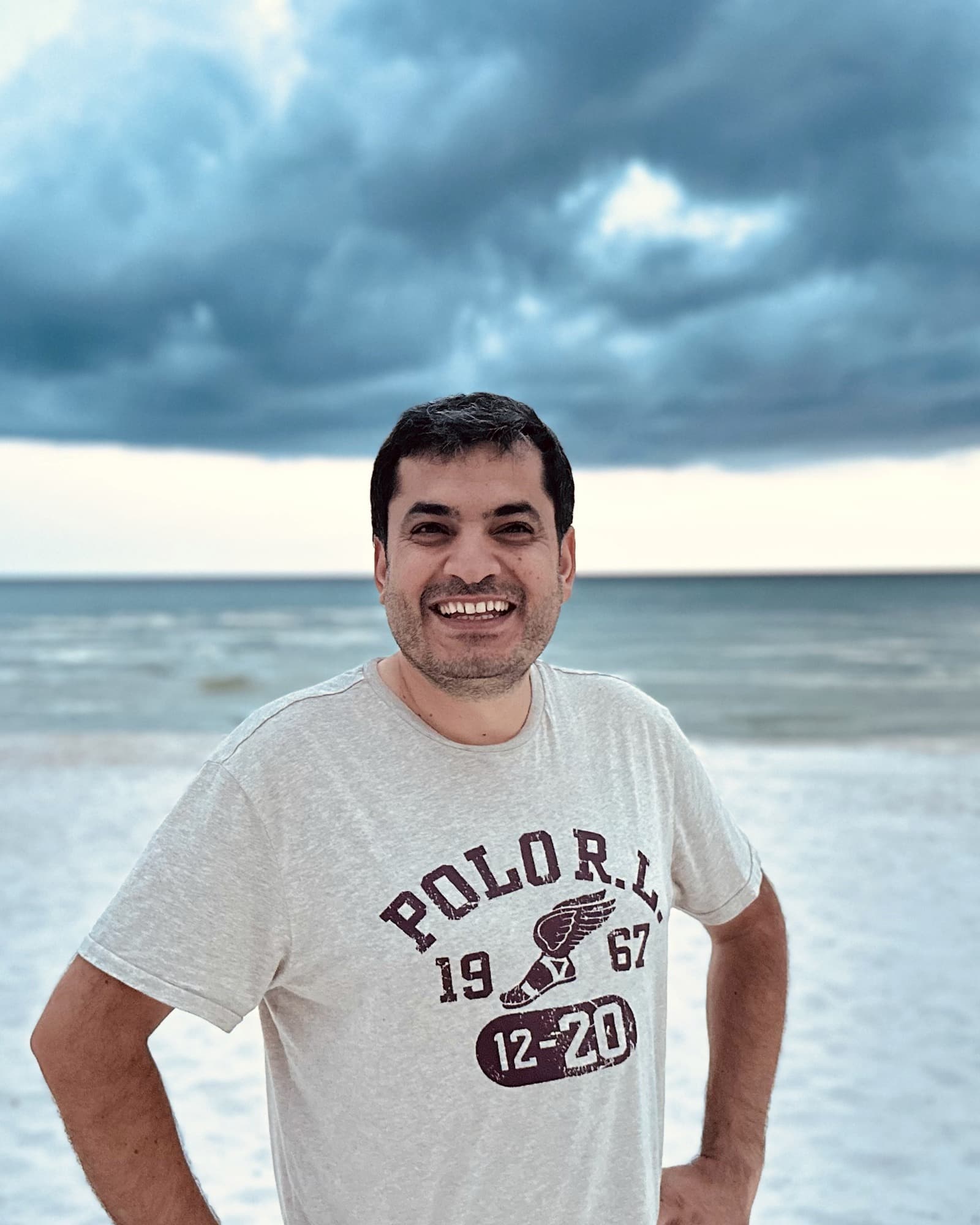
Dr. Cengiz Yentur
Founder & Principal, GHMAP — signs every report
Physician with 10+ years in international healthcare and sales across Africa, Turkey, Europe and Central Asia. He leads the field-agent network and personally signs every report GHMAP delivers.
“If something in a report can’t be defended in a boardroom, it doesn’t ship.”
- Source-tagged
- Every conclusion traceable to its source.
- Field-validated
- Pressure-tested by working clinicians.
- Principal-signed
- Reviewed and signed by Cengiz Yentur, MD.
The process
How every report is built.
The answer to the only question that matters about an intelligence product: how was this built?
Scope lock
Before any work starts, you and Cengiz agree on the exact questions the report must answer — the scope is locked before the work begins.
Desk intelligence
Regulatory filings, procurement records, import data, company registries and published market data are collected and cross-checked.
Field validation
Findings are pressure-tested by field agents: does this product actually sell here, who distributes it, what blocks adoption?
Principal sign-off
Every deliverable is reviewed, challenged and signed by Cengiz Yentur, MD, before delivery. Nothing ships on autopilot.
The line we hold
Intelligence from the field, not just the database.
GHMAP provides market intelligence for business decisions. Our reports are not medical advice, and we do not represent regulatory authorities. What we promise is simpler: every conclusion is traceable, every number is sourced, and a named human stands behind it.
Put the field to work
Start a project on GHMAP
Bring a market, a product, and a decision you need to make. GHMAP organizes the sources, relationships, and review steps behind it.